By Carlie Currier
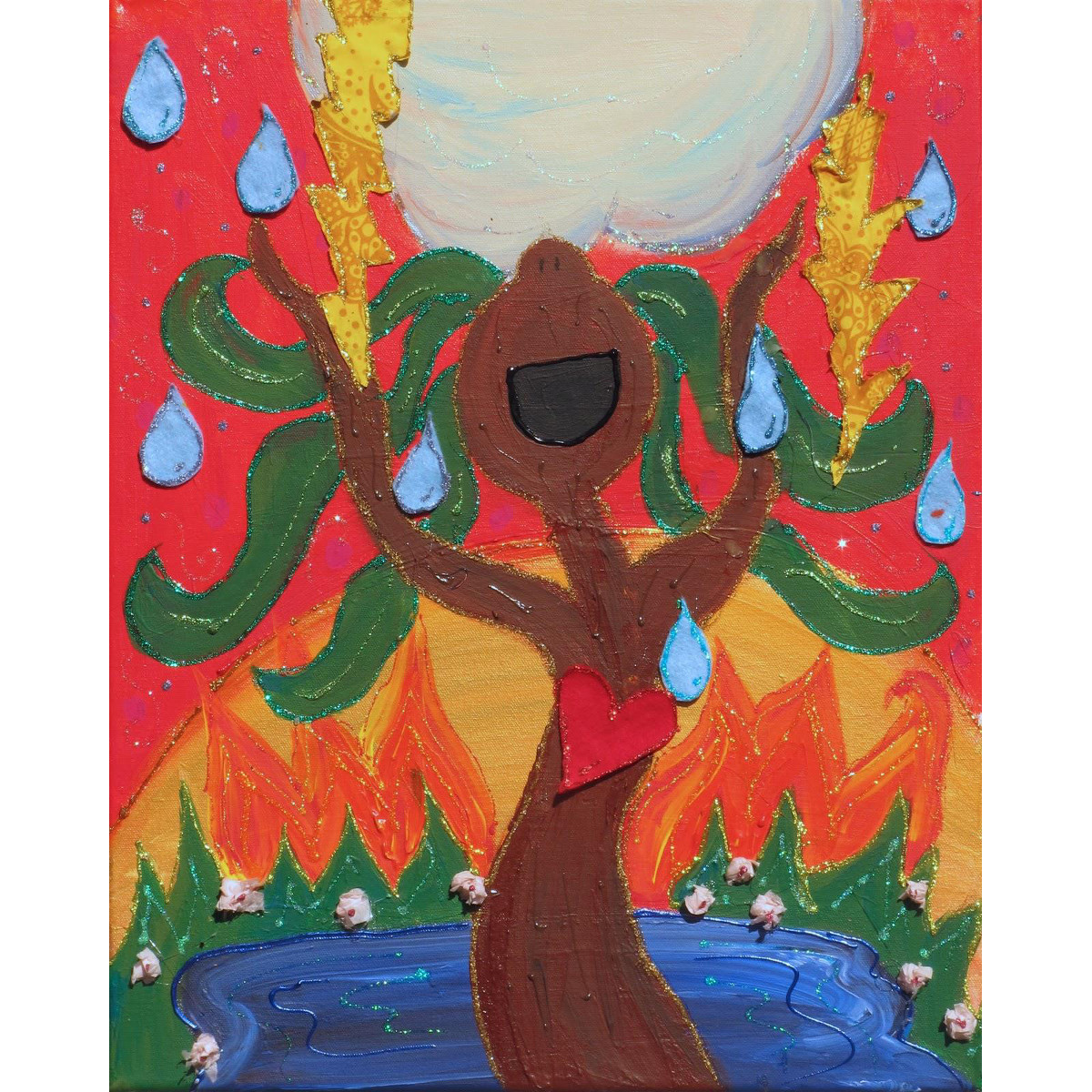
In honor of Mind Key’s third anthology, Tempest: Life Upturned, the theme of November focused on riding out the storms of our lives that can brew during this season. Although this time of year is often seen as a preparation for the happiness of holidays, it can often bring about stress and turbulence. However, sometimes a sense of misdirection can lead us to learning more about ourselves and can be an opportunity for growth.
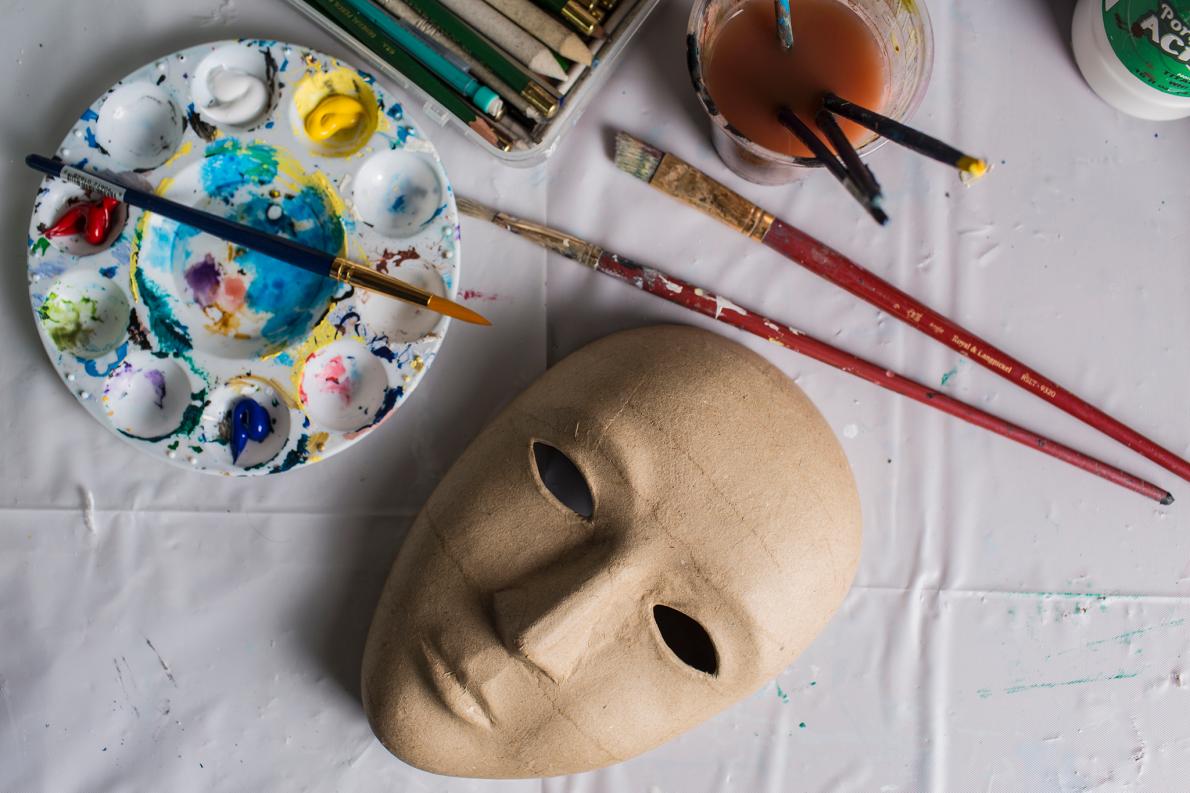
The first theme of this month was mental health awareness. In Tamara’s article, “Art Therapy to Treat Mental Illness” art therapy is used as a creative outlet to cope with mental illness and stress. In addition, her article “How Mental Illness Affects Family Dynamics,” discusses the impact of mental illness on the rest of the family, as well as how affected family members can be supportive of both their suffering loved ones and themselves.
In “Spiritual Storm: When You Don’t Feel Connected Anymore,” Tamara explains how during difficult times we can often lose touch with our spirituality along with ways to feel more connected.
Another article by Barbara, “Our Challenges: The worst or best thing to happen to us?” shows how we can feel less like victims during stormy times by controlling how we react to circumstances and how to look at challenges in different perspectives.
Not only can mental illness affect us emotionally and spiritually, it can also affect our bodies. In “The Painful Body” by Vera, we learn that physical pain can actually alter the circuitry of our brains. Because of this, chronic pain sufferers are at a greater risk of mental health problems.
Another topic that can often be interrelated to mental health is addiction. During addiction week, Ojanae writes about how we can practice non-judgment when supporting a loved one struggling with addiction in “Fighting Addiction.” Lisa addresses the mind-body connection of the thyroid to addictive behavior through a description of the organ’s physiological and metaphysical functions in “Thyroid and Addiction.” Lastly, Kyla writes about the benefits of yoga for recovery from eating disorders and various other addictions in “Kundalini Yoga for Addiction”.
During Family and Kids week, “The Stressed Out Teen,” by Rebecca addresses different stressors faced by adolescents, including social standing and pressure to succeed. In, “Losing someone you love,” Paola discusses techniques to cope with grief.
Also be sure to check out “NaNoWriMo”, the concept of writing a novel in 30 days in the midst of stressful circumstances. “Help For Mind Key”, is a call to action to join our community. Other themed articles include updates on our newest anthology and tools for writers.
Tempests can come in many forms. Mental illness, addiction, grief over loss, and troubled relationships are all struggles we face as humans. November’s articles are focused on how we can use these challenges as learning lessons. May they serve as a beacon of light in the heart of the storm.
In honor of Mind Key’s third anthology, Tempest: Life Upturned, the theme of November focused on riding out the storms of our lives that can brew during this season. Although this time of year is often seen as a preparation for the happiness of holidays, it can often bring about stress and turbulence. However, sometimes a sense of misdirection can lead us to learning more about ourselves and can be an opportunity for growth.
The first theme of this month was mental health awareness. In Tamara’s article, “Art Therapy to Treat Mental Illness” art therapy is used as a creative outlet to cope with mental illness and stress. In addition, her article “How Mental Illness Affects Family Dynamics,” discusses the impact of mental illness on the rest of the family, as well as how affected family members can be supportive of both their suffering loved ones and themselves.
In “Spiritual Storm: When You Don’t Feel Connected Anymore,” Tamara explains how during difficult times we can often lose touch with our spirituality along with ways to feel more connected.
Another article by Barbara, “Our Challenges: The worst or best thing to happen to us?” shows how we can feel less like victims during stormy times by controlling how we react to circumstances and how to look at challenges in different perspectives.
Not only can mental illness affect us emotionally and spiritually, it can also affect our bodies. In “The Painful Body” by Vera, we learn that physical pain can actually alter the circuitry of our brains. Because of this, chronic pain sufferers are at a greater risk of mental health problems.
Another topic that can often be interrelated to mental health is addiction. During addiction week, Ojanae writes about how we can practice non-judgment when supporting a loved one struggling with addiction in “Fighting Addiction.” Lisa addresses the mind-body connection of the thyroid to addictive behavior through a description of the organ’s physiological and metaphysical functions in “Thyroid and Addiction.” Lastly, Kyla writes about the benefits of yoga for recovery from eating disorders and various other addictions in “Kundalini Yoga for Addiction”.
During Family and Kids week, “The Stressed Out Teen,” by Rebecca addresses different stressors faced by adolescents, including social standing and pressure to succeed. In, “Losing someone you love,” Paola discusses techniques to cope with grief.
Also be sure to check out “NaNoWriMo”, the concept of writing a novel in 30 days in the midst of stressful circumstances. “Help For Mind Key”, is a call to action to join our community. Other themed articles include updates on our newest anthology and tools for writers.
Tempests can come in many forms. Mental illness, addiction, grief over loss, and troubled relationships are all struggles we face as humans. November’s articles are focused on how we can use these challenges as learning lessons. May they serve as a beacon of light in the heart of the storm.